TELEMEDICINE
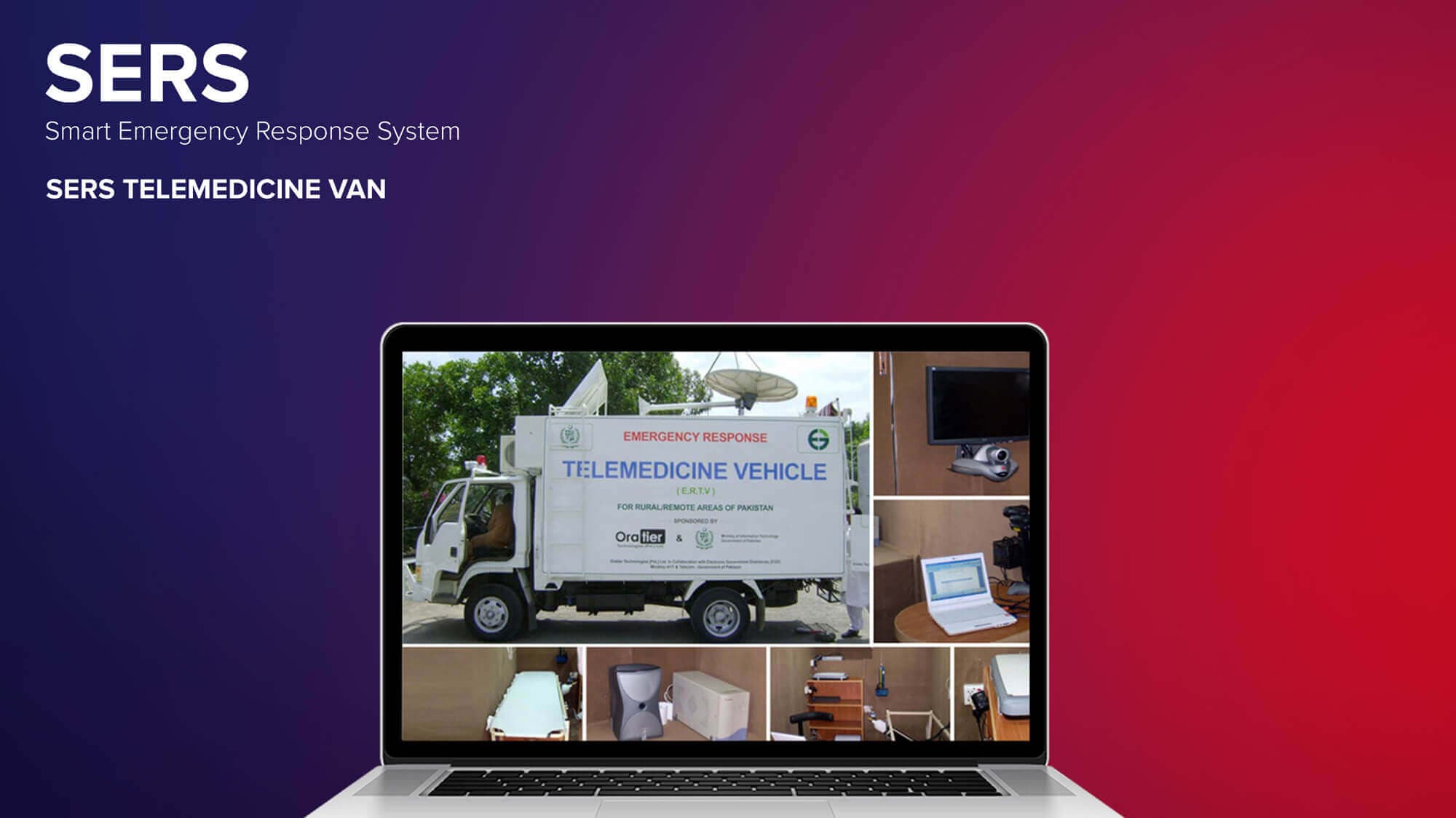
Healthcare services provided remotely using telecommunications technology
Enabling healthcare professionals to evaluate, diagnose, and treat patients without in-person visits
Patients treated annually
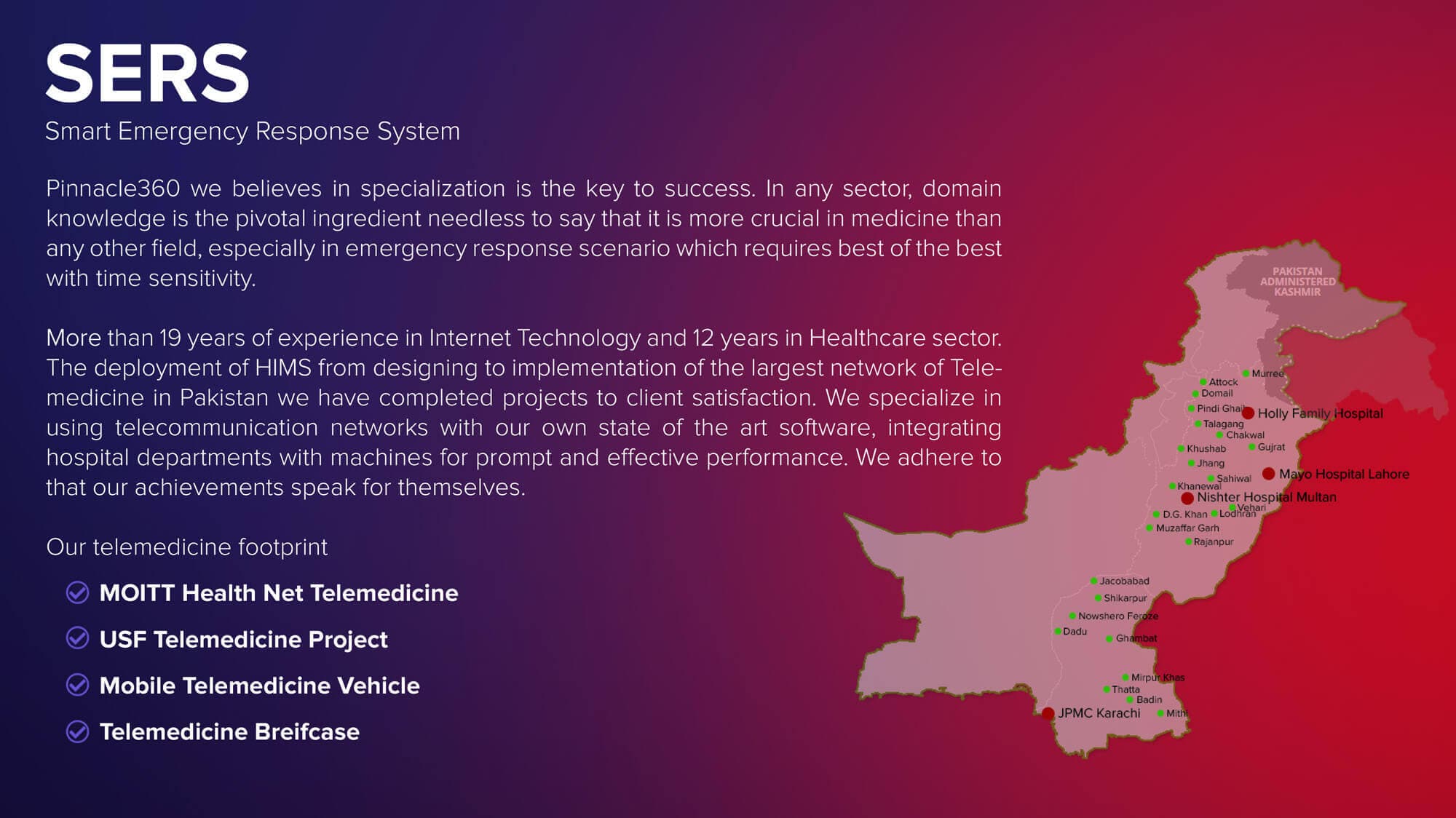
Remote healthcare centers
Tertiary care facilities
Healthcare, anywhere. Remote consultations, real-time care, and digital health for everyone.
Endemic and pandemic initiation in a demography can be recognized and addressed promptly as the data immediately shows rise in a certain area of suddenly becoming prevalent disease—all powered by Telemedicine and statistics assimilation.
Components
Communication Technology
Video conferencing, audio calls, and secure messaging systems enable real-time interactions between healthcare providers and patients.
Digital Health Records
Electronic health records (EHRs) and digital documentation systems allow healthcare providers to access and update patient information securely.
Remote Monitoring
Monitoring patients' vital signs and health parameters using wearable devices or connected medical equipment helps track health status between virtual visits.
Mobile Health (mHealth)
Mobile apps and devices enable patients to participate in virtual visits, share symptoms, and receive medication reminders via smartphones and tablets.
Store-and-Forward
Capturing and storing medical information (images, videos, records) for later review by healthcare providers, especially useful in dermatology and radiology.
Impact
Increased Access
Eliminates geographical barriers, making healthcare accessible to remote or underserved areas.
Convenience
Patients can receive consultations from home, reducing travel and waiting times.
Cost-Effective
Reduces expenses for both patients and providers by minimizing travel and facility costs.
Timely Consultations
Enables prompt consultations, crucial for urgent situations or chronic condition management.
Continuity of Care
Facilitates ongoing communication and follow-up between patients and providers.
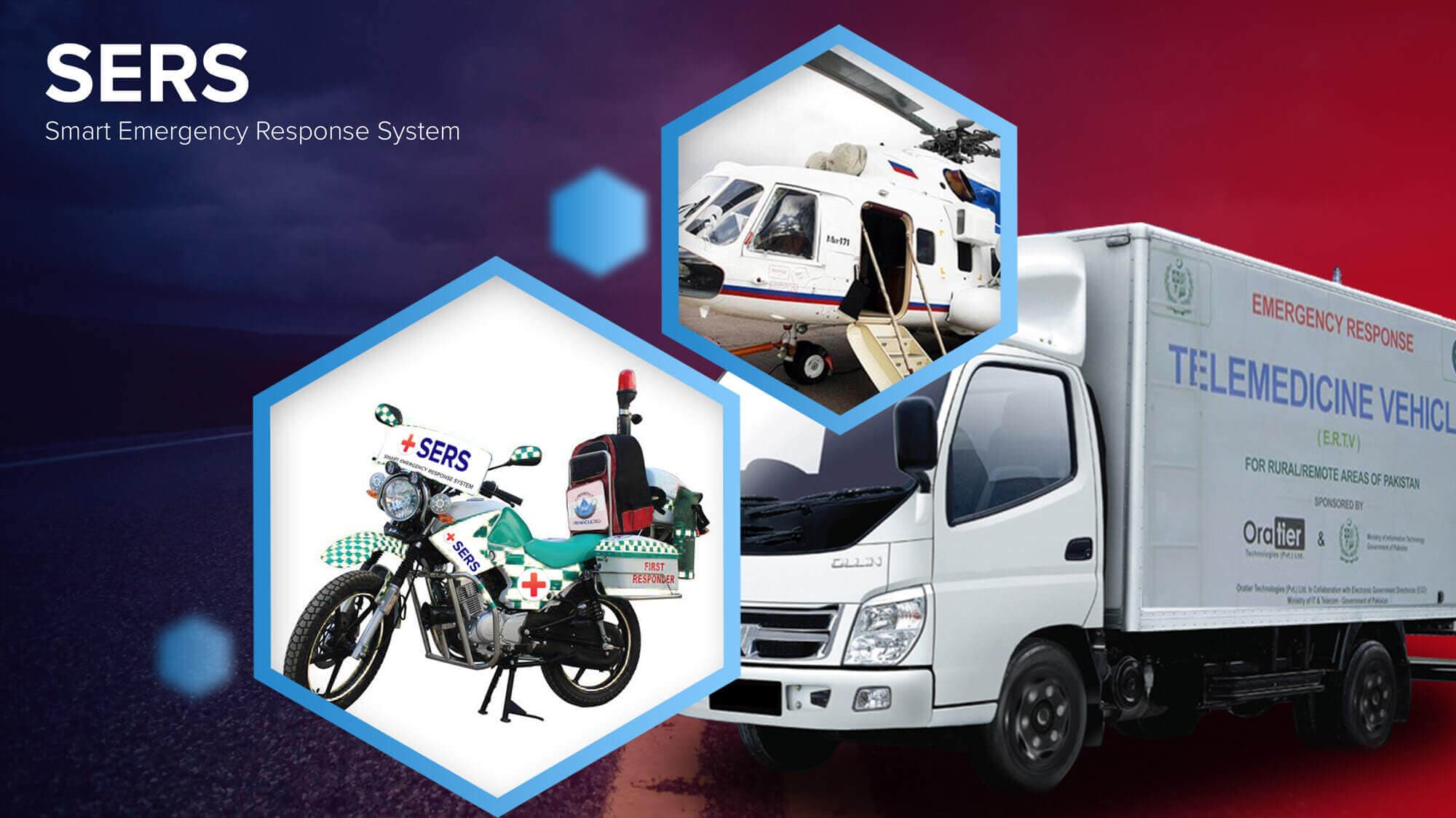
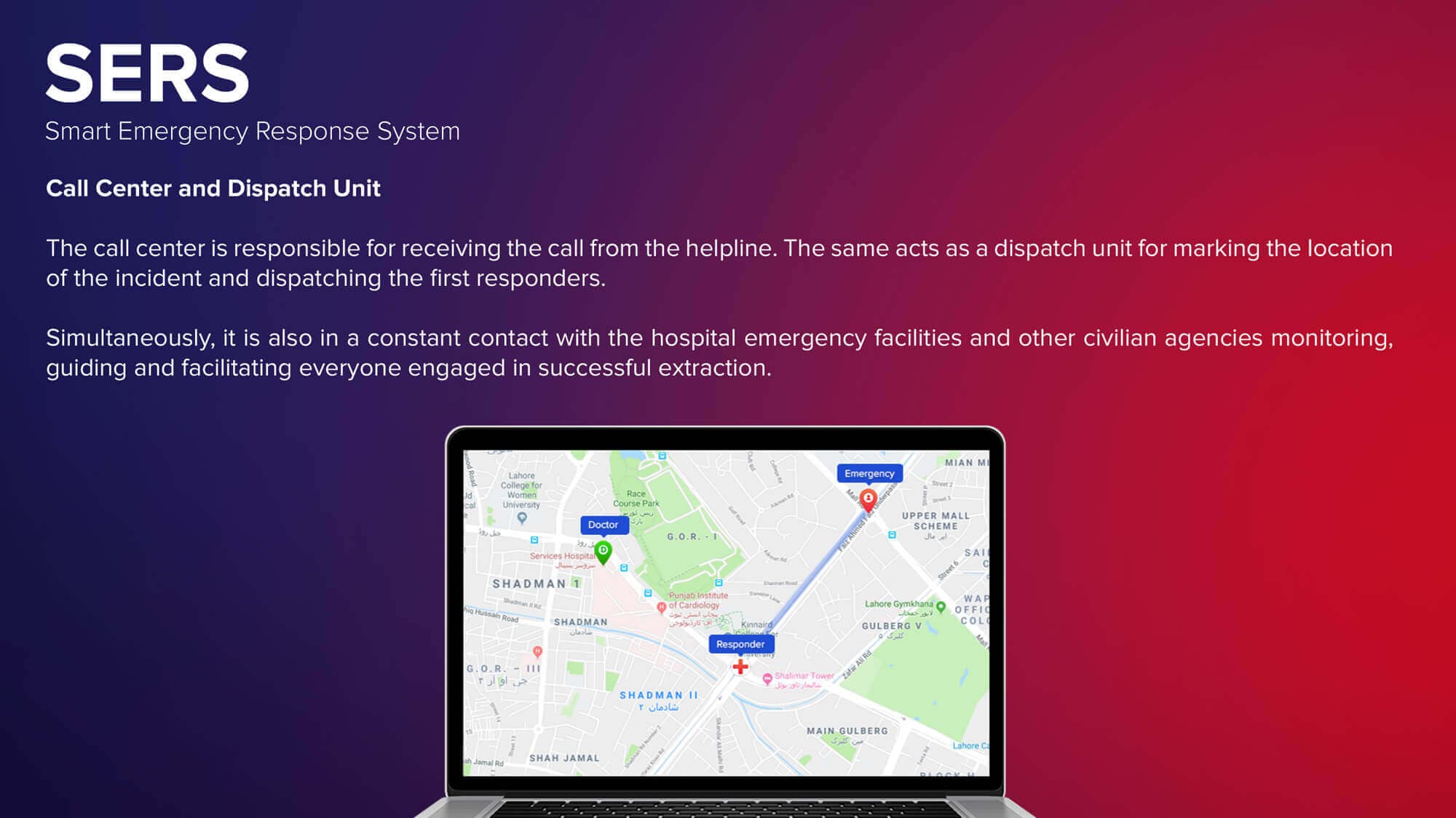
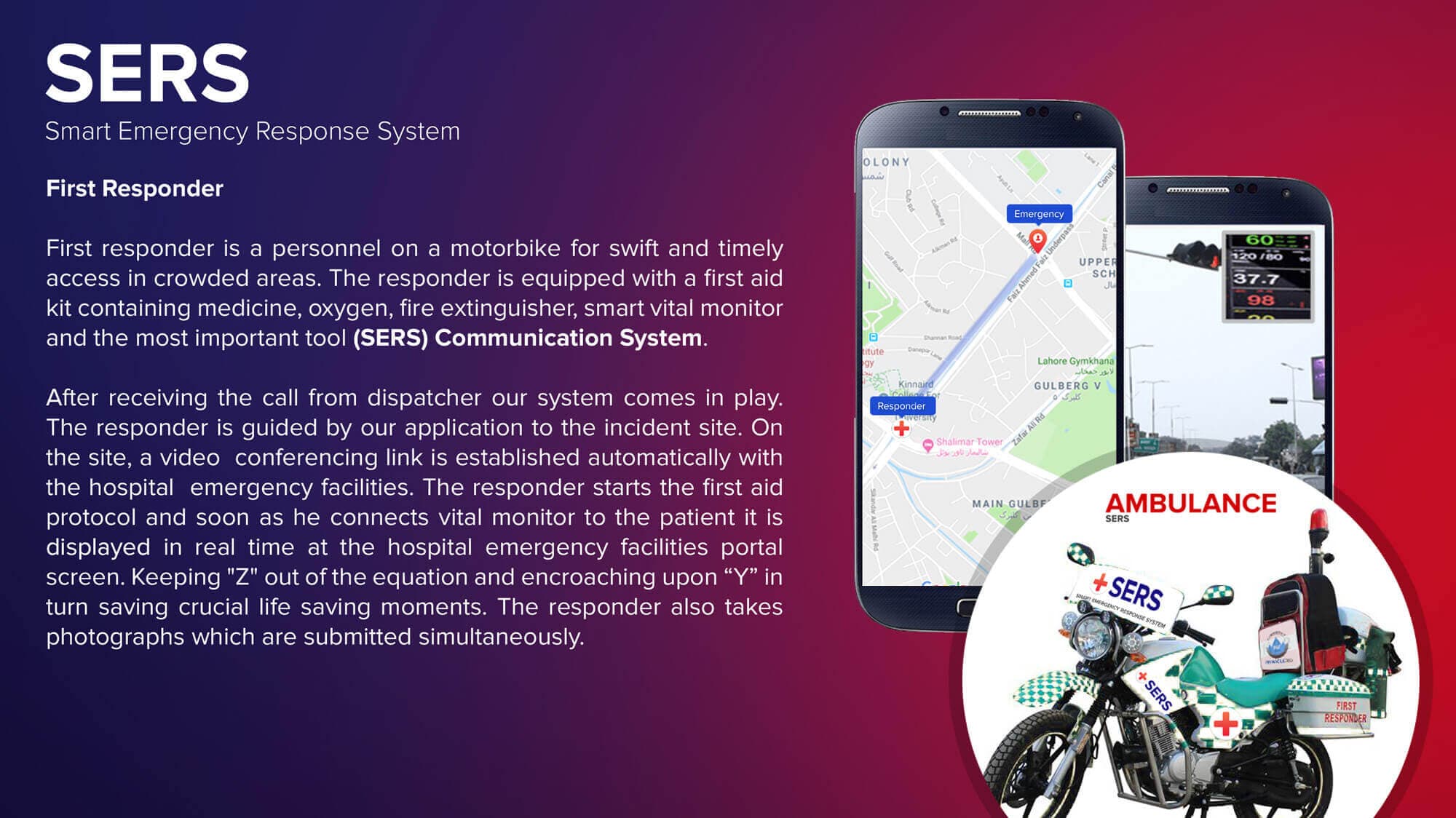
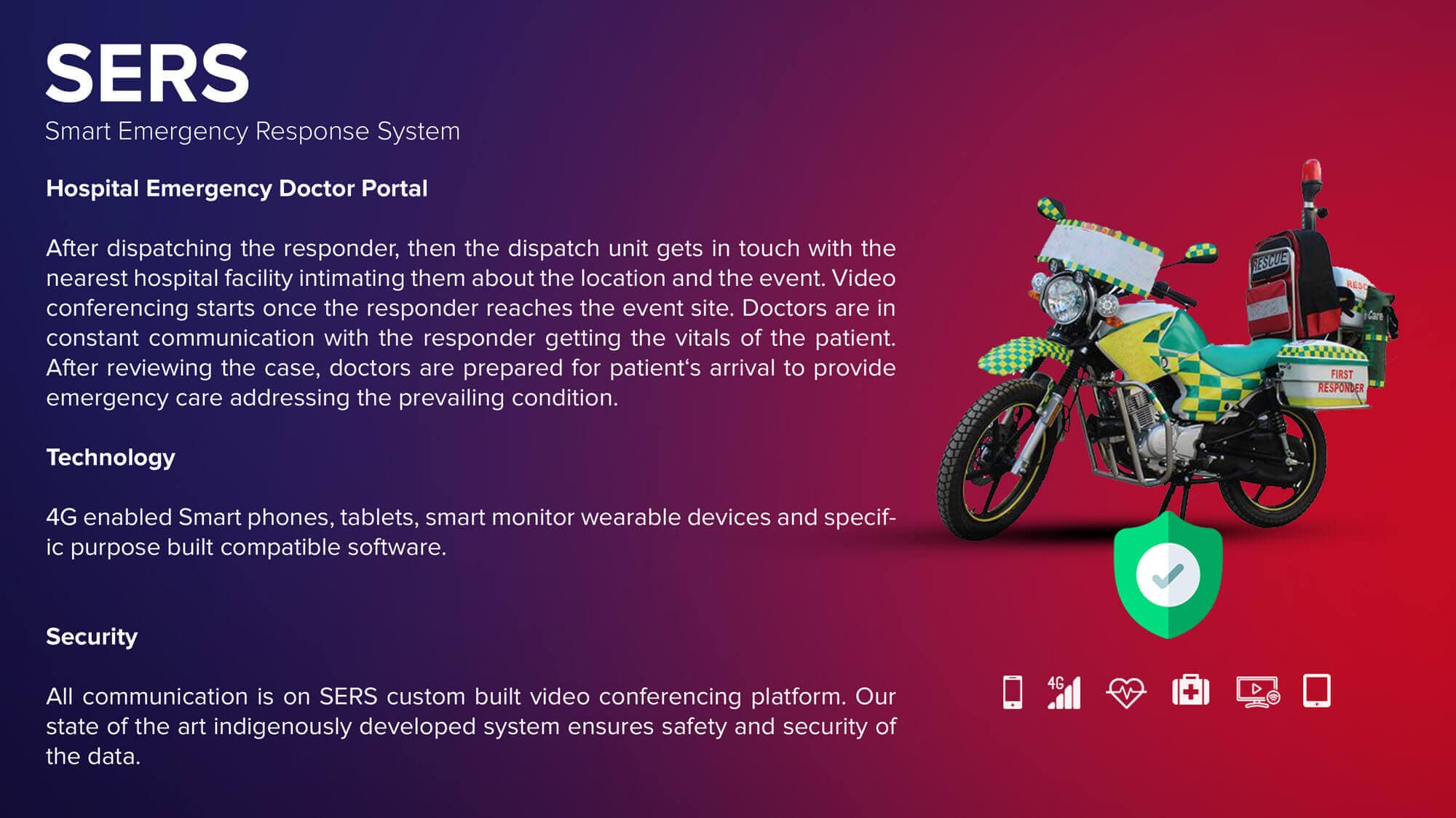
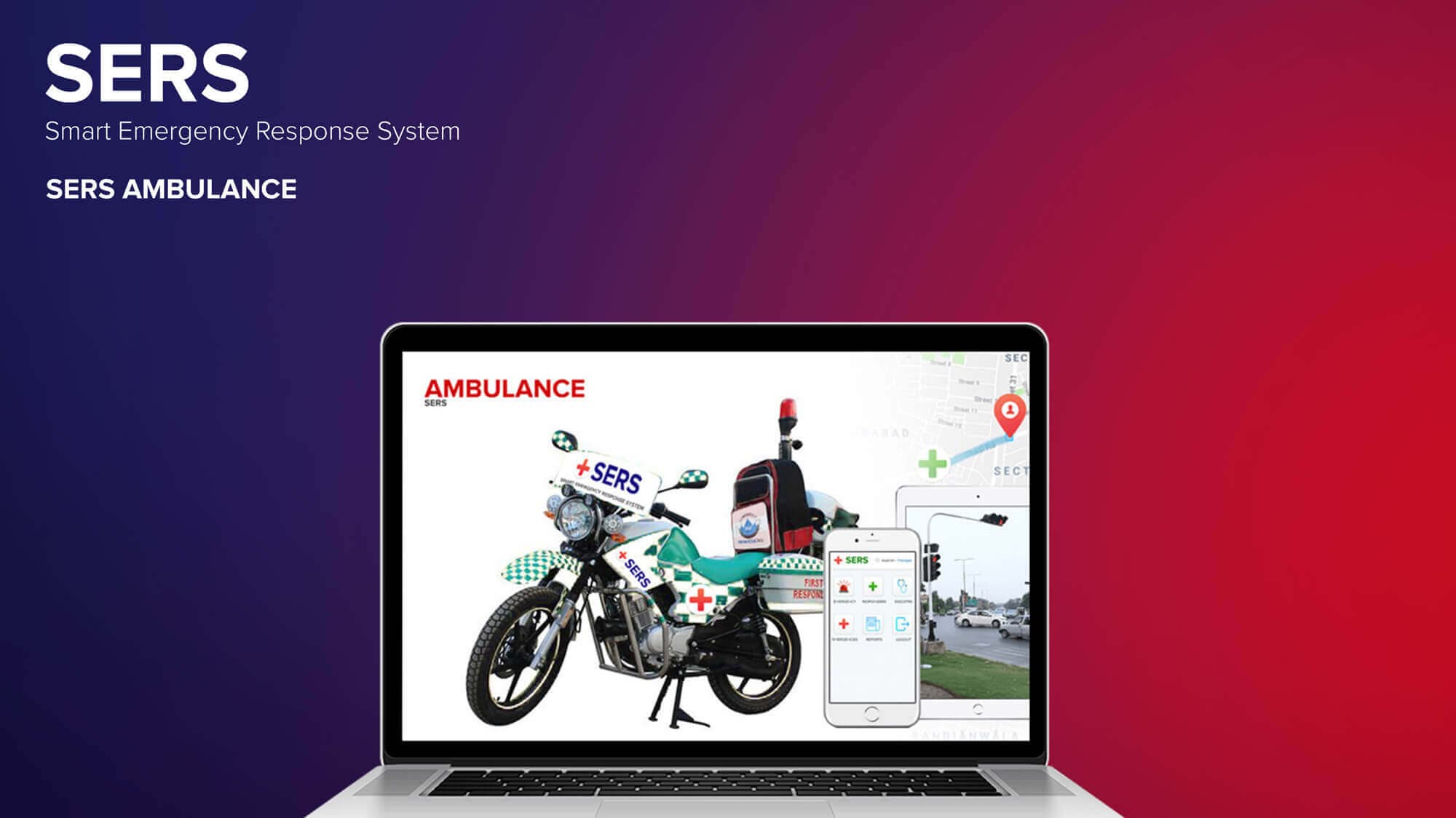
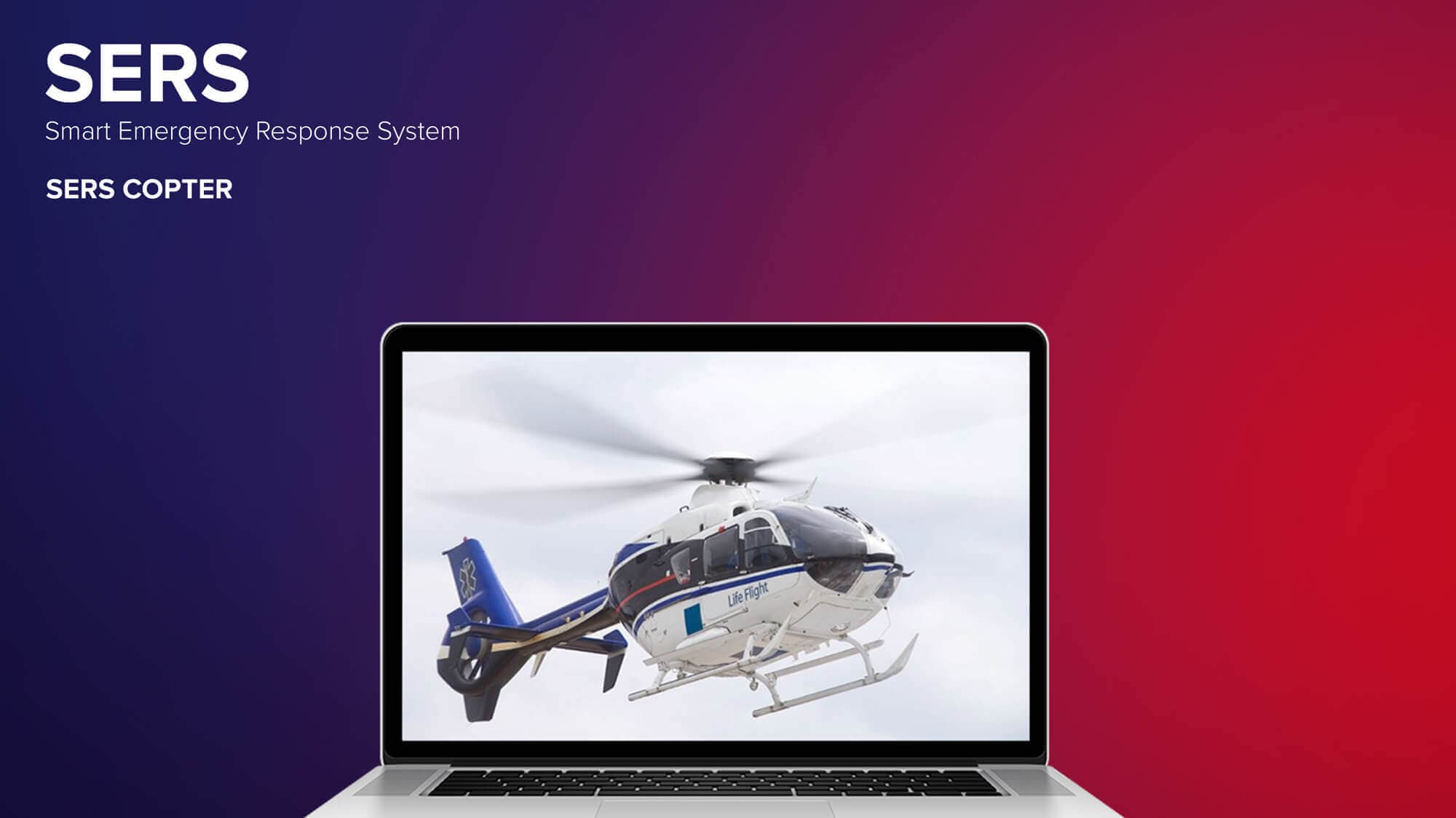
Smart Emergency Response System (SERS)
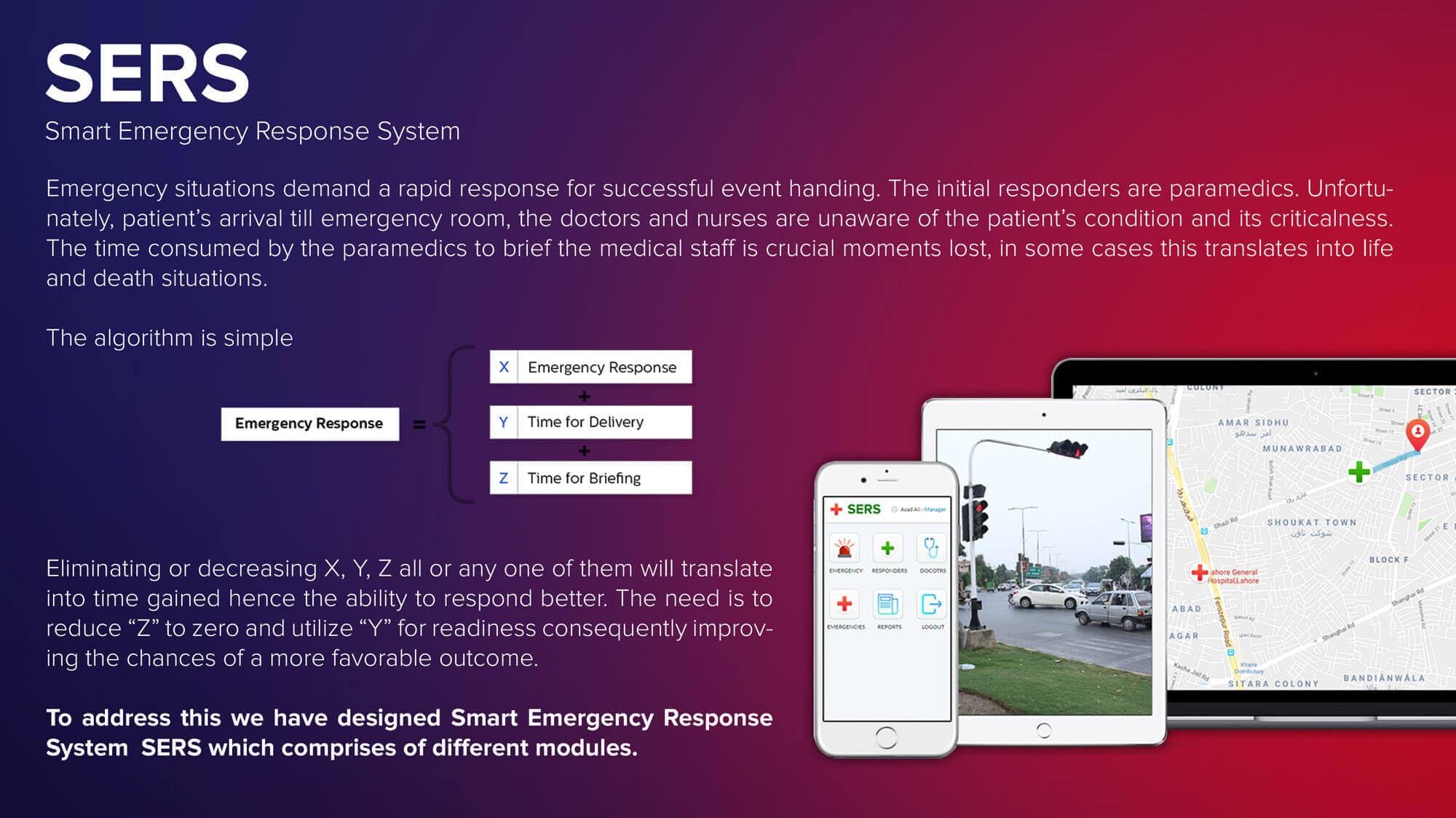
Emergency situations like trauma demand rapid response. Paramedics provide first aid, but before arriving at the emergency room, doctors or nurses may not be familiar with the patient’s situation. The time taken to brief the doctor is critical and can mean the difference between life and death. Our Smart Emergency Response System “SERS” is transforming emergency response services by enabling real-time data sharing and faster, more effective care.